In modern industrial environments, heating is no longer just about generating temperature—it is about precision, efficiency, and control. Industries such as plastics, packaging, textiles, food processing, and automotive manufacturing demand heating solutions that deliver consistent results while minimizing energy loss. This growing need has increased the importance of Ceramic Infrared Heaters Manufacturers, who specialize in producing high-performance radiant heating systems designed for demanding applications.
Ceramic infrared heaters are widely valued for their ability to deliver targeted heat quickly and uniformly, making them a preferred choice in industries where surface heating accuracy is critical.
What Are Ceramic Infrared Heaters?
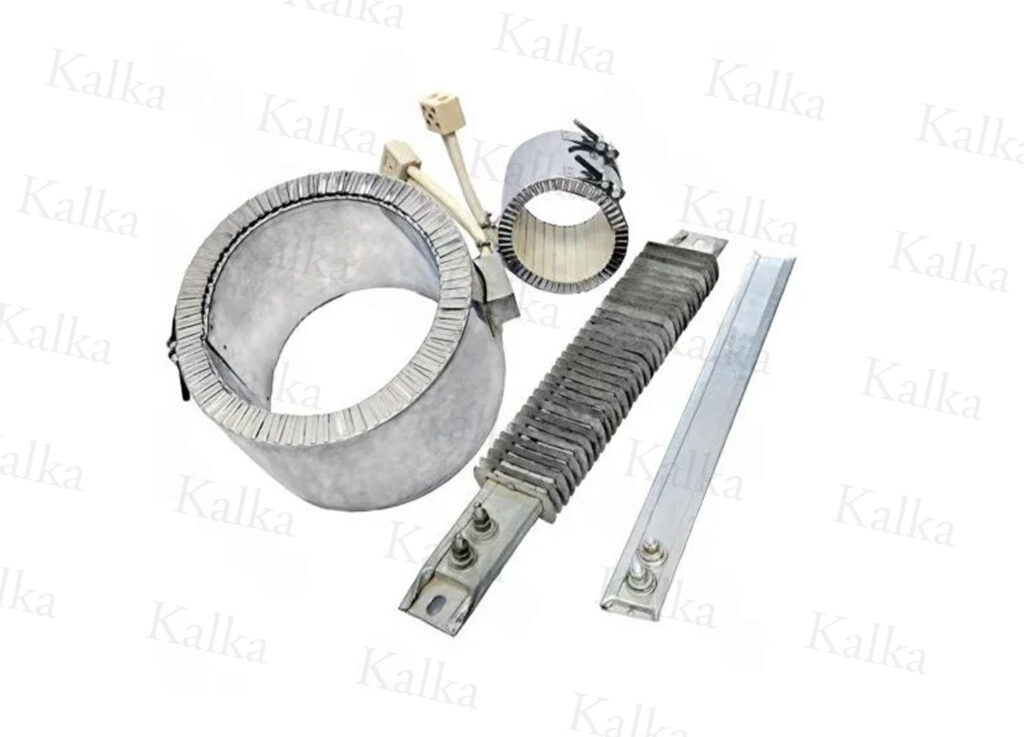
Ceramic infrared heaters are radiant heating elements that use electrical energy to produce infrared radiation. Instead of heating the surrounding air, these heaters transfer heat directly to the object or surface, ensuring efficient and controlled heating.
They are constructed using ceramic bodies embedded with resistance coils, which can withstand high temperatures and continuous operation. Due to this design, ceramic infrared heaters provide stable heat output, long service life, and excellent thermal efficiency—qualities that make them a core product offered by Ceramic Infrared Heaters Manufacturers.
Why Industries Prefer Ceramic Infrared Heating
Industries are increasingly shifting toward infrared heating technology due to its performance advantages over conventional heating systems.
Key benefits include:
- Instant and rapid heat transfer
- Uniform surface heating
- Reduced energy consumption
- Minimal heat loss
- Improved process consistency
Because infrared energy heats objects directly, production cycles become faster and more predictable. This efficiency is one of the main reasons industries rely on experienced Ceramic Infrared Heaters Manufacturers for their heating requirements.
Industrial Applications of Ceramic Infrared Heaters
Ceramic infrared heaters are used across a wide range of industrial processes due to their versatility and reliability.
Plastic and Polymer Industry
Used in thermoforming, molding, and extrusion processes to ensure uniform material heating and surface quality.
Packaging Industry
Applied in sealing, shrink wrapping, and drying operations where controlled surface heating is essential.
Textile and Printing Industry
Used for drying inks, coatings, and fabrics, ensuring even heat distribution without damaging materials.
Food Processing
Employed in baking, drying, and surface heating applications where hygienic and controlled heat is required.
Automotive and Engineering
Used in paint curing, coating processes, and component heating that demand precise temperature control.
These diverse applications highlight the importance of reliable Ceramic Infrared Heaters Manufacturers in supporting industrial productivity.
Key Features of High-Quality Ceramic Infrared Heaters
Leading manufacturers focus on delivering heaters that meet strict industrial standards. High-quality ceramic infrared heaters offer:
- Stable and consistent infrared output
- High thermal efficiency
- Resistance to thermal shock
- Long operational lifespan
- Compatibility with temperature control systems
These features ensure heaters perform consistently even under continuous industrial use.
Customization and Manufacturing Capabilities
Every industrial process has unique heating requirements. Reputed Ceramic Infrared Heaters Manufacturers offer customized solutions to meet specific operational needs.
Customization options may include:
- Different heater sizes and shapes
- Custom wattage and voltage ratings
- Specific infrared wavelength ranges
- Terminal and mounting configurations
Customized heaters improve equipment compatibility, energy efficiency, and overall process performance.
Quality Control and Safety Standards
Ceramic infrared heaters operate at high surface temperatures, making quality and safety critical. Manufacturers follow strict quality assurance procedures to ensure reliability and safe operation.
Common quality measures include:
- Electrical insulation and resistance testing
- Heat distribution and output verification
- Structural integrity checks
- Compliance with industrial safety standards
These practices help reduce downtime, enhance safety, and extend heater life.
Energy Efficiency and Cost Benefits
One of the biggest advantages of ceramic infrared heaters is their energy efficiency. By delivering heat directly to the target surface, they minimize energy wastage and reduce electricity consumption.
Industries benefit from:
- Lower operating costs
- Faster production cycles
- Reduced maintenance requirements
- Improved overall energy management
This efficiency makes ceramic infrared heating a cost-effective solution for long-term industrial operations.
Conclusion
As industries continue to demand faster, cleaner, and more efficient heating technologies, the role of Ceramic Infrared Heaters Manufacturers becomes increasingly important. These manufacturers support modern production systems by providing reliable, precise, and energy-efficient heating solutions.
With their ability to deliver uniform surface heating, reduce energy loss, and enhance process control, ceramic infrared heaters remain a vital component in plastics, packaging, textiles, food processing, and automotive industries. Choosing experienced manufacturers ensures consistent performance, operational efficiency, and long-term reliability for industrial heating applications.