
In today’s fast-paced industrial environment, maintaining controlled temperatures is critical for productivity and product quality. A Panel heater has become one of the most reliable and energy-efficient solutions for industrial heating needs. From manufacturing units to commercial facilities, industries are increasingly adopting advanced panel heating systems for consistent performance and safety.
This article explores the top uses of Panel heater technology in modern industries and why it is becoming an essential heating solution.
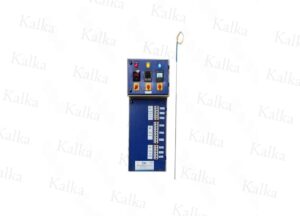
1. Industrial Machinery Heating
One of the primary applications of electric panel heaters is in industrial machinery. Many machines require controlled warmth to maintain optimal functioning, especially in cold environments. Panel heating helps prevent moisture buildup, reduce condensation, and ensure smooth machine operation.
By providing uniform heat distribution, these heaters improve machine efficiency and reduce unexpected downtime. They are widely used in production lines, CNC machines, and automated equipment where temperature stability is important.
2. Electrical and Control Panels Protection
Electrical cabinets and control panels are sensitive to temperature fluctuations and humidity. Installing a Panel heater inside control enclosures helps maintain stable internal temperatures and prevents condensation that can damage circuits.
Key benefits include:
- Protection from moisture
- Improved component lifespan
- Reduced risk of short circuits
- Enhanced electrical safety
Because of these advantages, panel heating systems are widely used in power plants, automation setups, and manufacturing units.
3. Warehouses and Storage Facilities
Modern warehouses often store temperature-sensitive materials such as chemicals, electronics, and pharmaceuticals. A indusrtial Panel heater element helps maintain a consistent indoor environment without excessive energy consumption.
Unlike traditional heating systems, panel heaters:
- Provide silent operation
- Offer even heat spread
- Require minimal maintenance
- Improve energy efficiency
These features make them ideal for large storage areas where maintaining stable ambient temperature is essential.
4. Commercial and Office Spaces
Beyond heavy industries, panel heating solutions are widely used in commercial buildings and offices. A properly installed efficient Panel heater delivers comfortable warmth while keeping electricity costs under control.
Key advantages:
- Slim and space-saving design
- Quick heat response
- Safe surface temperature
- Low operating noise
Because of their modern design and efficiency, many businesses prefer panel heaters over conventional room heaters.
5. Clean Rooms and Laboratories
Industries such as pharmaceuticals, electronics manufacturing, and research labs require precise environmental control. An industrial Panel heater supplier supports these controlled environments by delivering steady and dust-free heating.
Panel heaters are especially valued here because they:
- Do not circulate dust
- Maintain uniform temperature
- Support sterile conditions
- Operate reliably for long hours
This makes them a preferred choice in high-precision environments.
Why Industries Prefer Electric Panel Heaters
Modern industries are shifting toward smarter and more energy-efficient heating solutions. Panel heaters stand out due to:
- Energy efficiency
- Uniform heat distribution
- Compact installation
- Low maintenance
- Long service life
As industries focus more on operational efficiency and safety, the demand for advanced panel heating systems continues to grow.
Conclusion
The Panel heating has become an indispensable part of modern industrial heating infrastructure. Whether it is protecting electrical panels, maintaining warehouse temperatures, or supporting precision laboratories, panel heaters deliver reliable and efficient performance.
With rising emphasis on energy saving and equipment protection, investing in a high-quality panel heating solution is a smart and future-ready decision for industries aiming for consistent productivity and long-term reliability.