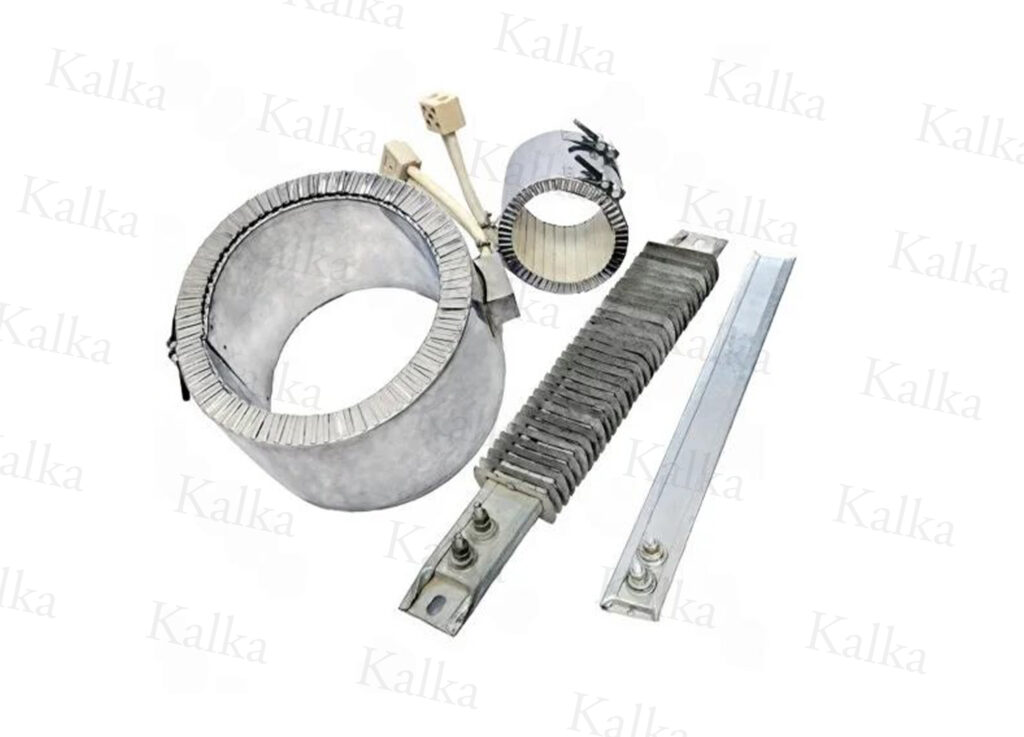
If you work in plastics extrusion, injection molding, or any process that involves heating cylindrical equipment, you have probably come across the term ceramic band heater. These heaters are one of the most trusted solutions in industrial process heating because they combine high temperature capability with excellent energy efficiency. Whether you are replacing an old unit or buying your first industrial heater, this guide will walk you through everything you need to know before you buy a ceramic band heater online.
What is a Ceramic Band Heater?
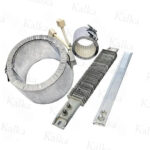
A best ceramic heater band is an electric heating device that clamps tightly around cylindrical objects such as pipes, barrels, nozzles, and extruder barrels to provide external heat through conduction and radiation. It is also referred to as a clamp-on heater or wrap-around heater because of the way it wraps snugly around the surface of the equipment.
Band heaters are broadly divided into three categories based on their insulation type: mica, mineral-insulated, and ceramic. Among these, the ceramic band heater stands out for its ability to handle medium-to-high temperature ranges while maintaining strong heat output. This makes it a popular choice for manufacturers who need dependable, long-lasting industrial heating equipment for continuous production environments.
How Does a Ceramic Band Heater Work?
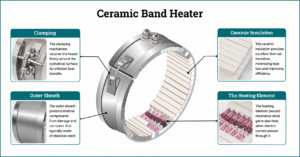
Understanding how a ceramic band heater works helps you choose the right unit for your application. Every ceramic band heater has three core components: a heating element, a ceramic insulation layer, and an outer metal sheath.
The Heating Element
The heating element is usually a resistance wire, often made from nichrome, that generates heat through Joule heating. As electric current passes through the wire, resistance causes it to heat up, and this thermal energy is transferred to the surrounding ceramic blocks before reaching the object being heated.
Ceramic Insulation
The ceramic insulation in a ceramic band heater is made of interlocking ceramic tiles or bricks that encase the heating wire. This insulation allows the heater to combine radiant and conductive heat transfer, giving it an edge over other insulation types when it comes to uniform temperature distribution, even on surfaces that are not perfectly smooth.
Outer Sheath and Clamping
The metal sheath, typically stainless steel, protects the internal components from damage, moisture, and contamination. Strap clamps, spring-loaded clamps, or wedge systems are then used to secure the band heater firmly against the target surface, ensuring maximum contact and minimal hot spots.
Types of Ceramic Band Heaters Available Online
When you search to buy the best ceramic band heater online, you will find several variations designed for different industrial needs. Knowing the differences helps you make an informed purchase decision.
- Ceramic Band Heaters – Ideal for medium-to-high temperature applications up to around 1400°F, commonly used in plastic extrusion and injection molding.
- Mica Band Heaters – Best suited for moderate temperature ranges, valued for their fast heat-up time and affordability.
- Mineral-Insulated Band Heaters – Built for extreme temperature environments, often exceeding 2000°F, using magnesium oxide insulation.
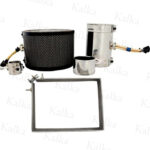
- Nozzle Band Heaters – Compact heaters designed for small-diameter applications like injection molding nozzles.
- Rectangular Band Heaters – Custom-built for rectangular dies and molds that cannot use standard circular heaters.
Each type has its own advantages depending on your process temperature, budget, and installation environment, so it is worth comparing specifications before placing an order.
Benefits of Ceramic Band Heaters
Best ceramic band heaters continue to be a preferred choice among industrial buyers for several reasons.
Excellent Thermal Conductivity
The ceramic insulation and metal sheath work together to deliver even heat transfer, ensuring the entire surface of the equipment reaches the target temperature efficiently.
Uniform Heat Distribution
Because ceramic band heaters use both radiant and conductive heating, they provide consistent temperatures across the heated surface, reducing the risk of overheating in certain spots.
Durability and Long Service Life
A well-built electrical ceramic band heater is designed to withstand continuous industrial use, high vibration, and demanding environmental conditions without frequent breakdowns.
Energy Efficiency
Because ceramic insulation minimizes heat loss, these heaters help lower overall energy consumption, which translates into cost savings over time.
Customization Options
Manufacturers offer top ceramic band heaters in various diameters, widths, voltages, and wattages, along with multiple termination and clamping styles, so you can find a unit tailored to your exact equipment.
Common Uses for Ceramic Band Heaters
Industrial heating bands are used across a wide range of industries wherever precise, external heating of cylindrical components is required.
- Plastics Processing – Heating extruder barrels, injection-molding machines, and blow-molding equipment.
- Packaging – Sealing and shrinking packaging materials quickly and efficiently.
- Chemical Processing – Maintaining viscosity and preventing solidification of chemicals stored in drums or pipes.
- Food and Pharmaceutical Manufacturing—Providing controlled, contamination-free heating for sensitive materials.
- Industrial Equipment Maintenance – Preventing freezing in storage tanks, reactors, and pipelines.
Their versatility across so many applications is a major reason why buyers continue to search for reliable ceramic band heaters online.
How to Install a Ceramic Band Heater
Proper installation is essential to get the best performance and longest lifespan out of your ceramic band heater.
Step 1: Inspect the Surface – Check that the mounting surface is smooth and even. Use a high-temperature thermal compound to fill any pits or gaps.
Step 2: Clean the Surface—Remove dust, grease, or contaminants that could interfere with heat transfer.
Step 3: Position the Heater – Place the band heater so it fits securely around the object without shifting.
Step 4: Clamp it in Place—Use the appropriate clamping mechanism, such as a strap or spring-loaded clamp, to hold the heater firmly against the surface.
Step 5: Connect the Wiring – Depending on the termination type, connect the leads following the manufacturer’s wiring diagram.
Step 6: Test the Heater – Power it on and allow it to reach maximum temperature to confirm it is functioning correctly, then retighten the clamp while it is still hot to compensate for thermal expansion.
Tips Before You Buy a Ceramic Band Heater Online
Before making a purchase, check the heater’s diameter, width, voltage, wattage, and maximum operating temperature to ensure compatibility with your equipment. Look for suppliers who provide technical data sheets, quality certifications, and warranty support. Comparing multiple online sellers for price, delivery time, and after-sales service will also help you get the best value for your investment.
Final Thoughts
An industrial ceramic band heater is a reliable, efficient, and versatile solution for industrial heating needs, especially in plastics processing and other high-temperature applications. By understanding how band heaters work, the different types available, their benefits, and the correct installation process, you can confidently choose and buy the right ceramic band heater online for your specific requirements.