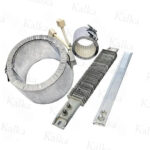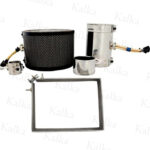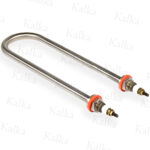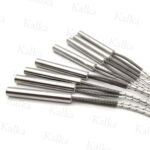
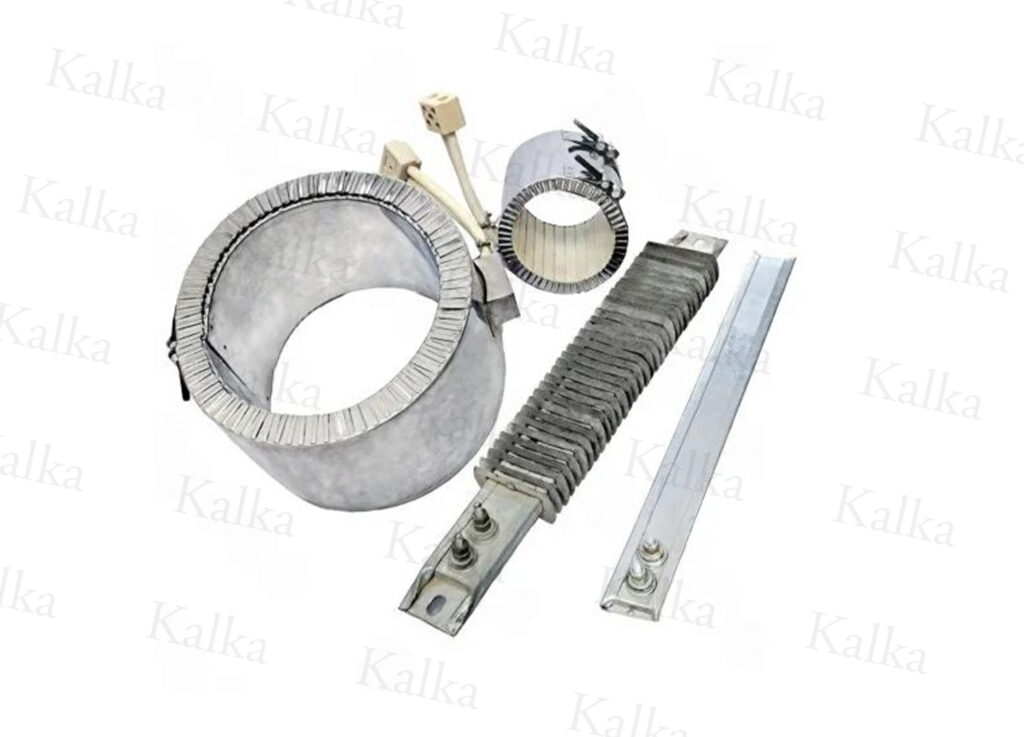
When you need reliable and consistent heating for industrial machinery, choosing the right heating element is important for both performance and production efficiency. Ceramic Heaters are widely used in industrial applications because they can provide controlled heating, good heat transfer, electrical insulation, and reliable performance in demanding environments.
However, selecting the right heater is not only about finding the lowest price. Factors such as voltage, wattage, dimensions, operating temperature, resistance, insulation, and application requirements should be considered before placing an order.
This guide explains the ceramic heater price, specifications, applications, benefits, and buying factors to help industrial buyers choose the right heating solution in 2026.
What Are Ceramic Heaters?
Ceramic heaters are electrical heating elements that use ceramic material as part of their construction. When electricity passes through a resistance heating element, electrical energy is converted into heat. The ceramic structure helps provide insulation and supports efficient heat transfer.
These heaters are commonly used in machinery where controlled and uniform heating is required. Depending on the design, they can be manufactured in different shapes, sizes, wattages, and configurations for specific industrial applications.
Some common applications include plastic processing machinery, extrusion machines, injection molding equipment, packaging machines, ovens, drying systems, and other industrial heating equipment.
Ceramic Heater Price: What Industrial Buyers Should Know
The ceramic heater price varies according to the heater design and technical specifications. There is no single price applicable to every industrial heater because many products are manufactured according to individual machine requirements.
The price can depend on:
- Heater size and dimensions
- Voltage requirement
- Wattage
- Resistance value
- Operating temperature
- Ceramic material
- Insulation quality
- Terminal configuration
- Mounting arrangement
- Quantity ordered
- Customization requirements
For this reason, industrial buyers should request a quotation based on their actual machine requirements instead of comparing heaters only by price.
A customized heater may cost more initially but can provide better fitting, heating performance, and reliability compared with an unsuitable standard product.
Important Ceramic Heater Specifications
Before purchasing, check the following specifications carefully.
Voltage
Voltage should match your machine’s electrical supply. Common industrial requirements may include different voltage configurations depending on the application.
Wattage
Wattage indicates the amount of electrical power converted into heat. Selecting the correct wattage is important for achieving the required temperature and maintaining stable heating.
Dimensions
The heater should fit the machine correctly. For ceramic band heaters, measurements such as inner diameter, width, thickness, and terminal position are particularly important.
Operating Temperature
Different ceramic materials and heater constructions are suitable for different temperature ranges. Always select a heater according to the actual temperature requirement of your application.
Resistance
Resistance affects the electrical characteristics and heating output of the element. The required resistance should be selected according to the voltage and wattage requirements of the machine.
Terminal Configuration
Terminal type and position should also be considered because they affect installation and electrical connection.
Types of Ceramic Heating Solutions
Different industrial applications require different heater designs.
Ceramic Band Heaters
Ceramic band heaters are designed for cylindrical surfaces and are commonly used for plastic extrusion, injection molding, barrels, dies, and similar machinery.
Their construction allows heating elements to be positioned around the required surface for effective heat transfer.
Ceramic Infrared Heaters
Ceramic infrared heaters generate radiant heat and are used in applications such as drying, curing, thermoforming, and other industrial processes.
Ceramic Heating Elements
Custom ceramic heating elements can be designed according to specific dimensions, wattage, voltage, resistance, and operating conditions.
The right design depends on the machine and the heating process, so discussing your requirements with a manufacturer can help avoid incorrect selection.
Applications of Ceramic Heaters
Industrial heating systems are used across many sectors. Common applications include:
- Plastic extrusion machines
- Injection molding machines
- Blow molding equipment
- Packaging machinery
- Industrial ovens
- Drying machines
- Heating drums
- Dies and barrels
- Thermoforming equipment
- Food processing machinery
- Laboratory equipment
- Specialized industrial machinery
They are particularly useful where controlled temperature and consistent heating are important for maintaining product quality and production efficiency.
Benefits of Ceramic Heaters
Choosing the right ceramic heating solution can offer several advantages.
Efficient Heat Transfer: Properly designed heating elements can provide effective heat transfer to the target surface.
Temperature Control: They can be integrated with temperature controllers and sensors to maintain the required process temperature.
High-Temperature Capability: Certain ceramic materials are suitable for demanding high-temperature applications.
Electrical Insulation: Ceramic materials provide electrical insulation properties that can be beneficial in industrial heating assemblies.
Custom Designs: Manufacturers can produce heaters according to specific machine dimensions and electrical requirements.
Reliable Performance: When correctly selected and operated within recommended conditions, quality heating elements can provide dependable service.
How to Choose the Right Ceramic Heater?
Selecting a heater should start with your actual application rather than the product price.
Before contacting a manufacturer, collect the following information:
- Machine name or model
- Existing heater dimensions
- Voltage
- Wattage
- Resistance
- Required temperature
- Heater shape
- Terminal details
- Installation method
- Quantity required
If you are replacing an existing heater, providing photographs and measurements of the old heater can make the selection process easier.
It is also important to explain what material or surface needs to be heated and how frequently the machine operates. These details can help the manufacturer recommend a more suitable heating configuration.
Factors That Affect Ceramic Heater Cost
Two heaters with similar appearances can have different prices because their internal construction and specifications may vary.
The major cost factors include the quality of ceramic material, resistance wire, insulation, dimensions, power rating, temperature requirements, customization, and order quantity.
Custom-made heaters generally require additional engineering and manufacturing work. Therefore, buyers should compare quality, specifications, expected service life, and suitability rather than choosing solely on the lowest quotation.
For industrial production, a properly fitted heater can potentially reduce replacement frequency and unnecessary downtime.
Why Choose Kalka Heater?
Choosing an experienced manufacturer can make the heater selection and purchasing process easier. Kalka Heater provides industrial heating solutions for different machinery and application requirements.
Here are some reasons to consider Kalka Heater:
- Customized Heating Solutions: Heater dimensions, voltage, wattage, resistance, and other specifications can be discussed according to your application.
- Industrial Applications: Solutions are suitable for applications such as plastic processing, extrusion, injection molding, packaging, drying, ovens, and other industrial machinery.
- Application-Based Guidance: If you are unsure about the required specifications, you can share your existing heater details or machine requirements for evaluation.
- Custom Manufacturing: Different sizes, shapes, terminal configurations, and mounting arrangements can be considered for specific applications.
- Quality-Focused Construction: Proper selection of ceramic material, resistance element, insulation, and other components helps support reliable performance.
- Replacement Solutions: Existing or damaged heating elements can be assessed based on dimensions and electrical specifications.
- Bulk Requirements: Manufacturers and industrial buyers can discuss quantity requirements for regular or bulk orders.
If you are searching for a reliable ceramic heater manufacturer, sharing your machine details with Kalka Heater can help you get a suitable solution instead of purchasing an incorrectly sized standard heater.
Get a Quote for Your Ceramic Heater Requirement
The right heater can make a significant difference to heating consistency, machine performance, and production efficiency. Instead of choosing a product only by ceramic heater price, consider its voltage, wattage, dimensions, resistance, operating temperature, insulation, and application compatibility.
If you need ceramic heaters for extrusion machines, injection molding equipment, plastic processing, packaging machinery, ovens, drying systems, or other industrial applications, contact Kalka Heater with your requirements.
Share your heater size, voltage, wattage, machine details, or a photograph of your existing heater to discuss your requirement and get a suitable quotation.
Final Thoughts
The best heating solution is not necessarily the cheapest one. The correct combination of wattage, voltage, dimensions, resistance, ceramic material, temperature rating, and construction can help provide reliable heating performance.
If you are comparing ceramic heaters for industrial machinery in 2026, focus on application compatibility and long-term value rather than price alone.
For customized requirements, contact Kalka Heater and share your machine specifications. Their team can help you identify a suitable heating configuration and provide a quotation based on your requirements.
Frequently Asked Questions
What is the price of a ceramic heater?
The price depends on size, wattage, voltage, resistance, material, temperature rating, customization, and quantity. A manufacturer quotation is recommended for an accurate price.
Where are ceramic heaters used?
They are commonly used in plastic processing, extrusion, injection molding, packaging, drying equipment, ovens, and other industrial heating applications.
How do I select the right ceramic heater?
Check your machine’s voltage, wattage, dimensions, resistance, operating temperature, mounting arrangement, and application before ordering.
Can ceramic heaters be customized?
Yes. Industrial heating elements can be customized according to required dimensions, electrical specifications, terminal configuration, and application requirements.
Why should I buy from a manufacturer?
Buying directly from a manufacturer can make it easier to discuss technical specifications, customization, replacement requirements, quantities, and application-specific heating needs.