Introduction:
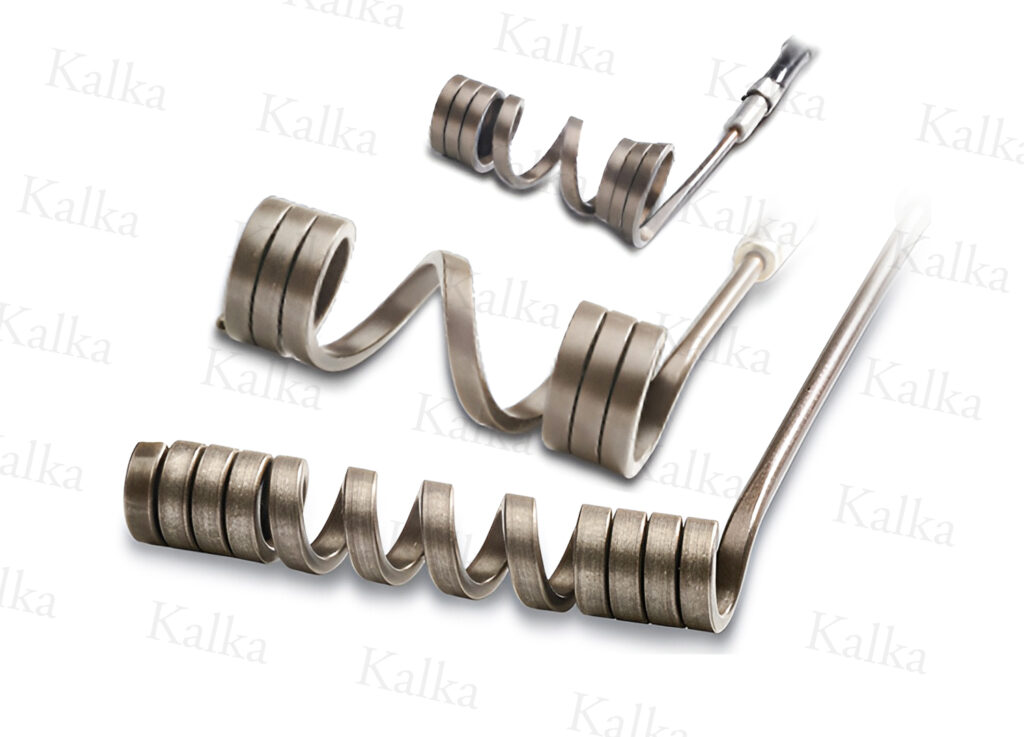
A coil heater is an efficient and compact electrical heating element used widely in industrial heating applications. It is designed to deliver fast, uniform, and controlled heat in small or confined spaces. In industries, it is also known as an electrical coil heater, which is commonly used where precise temperature control is required. Due to its high performance, durability, and energy efficiency, it has become an important part of modern heating systems.
What is a Coil Heater?
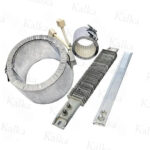
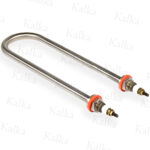
An industrial heating element is a type of resistance heating element made from a nickel-chromium wire that is tightly wound into a coil shape. This coil is placed inside a metal sheath and insulated with magnesium oxide powder. The main purpose of a hot runner heater is to convert electrical energy into heat energy efficiently.
These heaters are designed for applications where space is limited but high heat output is required. That is why they are widely used in plastic processing, packaging machines, and industrial molds. The electrical coil heater ensures stable temperature performance and long operational life.
How does a coil heater work?
The working of an industrial heating system is based on the principle of electrical resistance. When an electric current flows through the resistance wire, it generates heat. This heat is then transferred to the surrounding surface or material through conduction.
The MgO insulation ensures that heat is transferred efficiently while maintaining electrical safety. The stainless steel sheath protects the heater from corrosion and mechanical damage. Because of this structure, Coil Heater Manufacturer provides:
- Fast heating response
- Uniform temperature distribution
- Energy-efficient performance
This makes them suitable for continuous industrial use.
Types of Coil Heaters
High-Density Coil Heaters:
High-density coil heaters are designed for applications requiring high watt density and fast heating. They are widely used in hot runner systems, plastic injection molding, and die heating applications. These heaters can reach high temperatures quickly and are ideal for demanding industrial processes where rapid heat transfer is required.
Low-Density Heaters:
Low-density coil heaters operate at a lower watt density, which makes them suitable for applications requiring controlled and stable heating. They offer longer lifespans and reduced wear and tear. These heaters are commonly used in sensitive industrial processes where overheating must be avoided.
Construction of a Coil Heater:
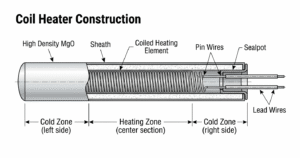
The construction of a hot runner heater plays an important role in its performance and durability. It consists of:
- Nickel-chromium resistance wire (heating element)
- Magnesium oxide (MgO) insulation for heat transfer and safety
- Stainless steel or Incoloy sheath for protection
- High-temperature insulated leads for electrical connection
This strong construction ensures that the heater can withstand high temperatures, vibration, and continuous industrial usage.
Advantages of Coil Heaters
The Industrial Coil Heater offers multiple advantages that make it highly popular in industries:
- Fast heating and cooling response
- High energy efficiency
- Compact and flexible design
- Long service life
- Easy installation and maintenance
- Excellent heat transfer capability
These benefits make the electrical coil heater a reliable solution for industrial heating applications.
Common Applications of Coil Heaters
Electrical coil heaters are widely used across different industries, such as:
- Plastic injection molding machines
- Hot runner systems
- Packaging machines
- Medical equipment
- Semiconductor manufacturing
- Die and mold heating
Their versatility and precision make them suitable for both high-temperature and precision heating tasks.
Factors to Consider When Choosing a Coil Heater
When selecting a custom coil heating solution, several important factors should be considered:
- Required watt density
- Operating temperature range
- Coil diameter and length
- Material compatibility
- Environmental conditions
- Application type
Proper selection ensures better performance, safety, and longer heater life.
Safety Precautions for Coil Heater Usage
Safety is very important when using a mini coil heater. Some precautions include:
- Do not operate above rated temperature
- Ensure proper insulation and grounding
- Avoid physical damage to the coil
- Use proper temperature controllers
- Regular inspection for wear and tear
Following these safety measures helps prevent accidents and equipment failure.
Maintenance and Troubleshooting Tips
Regular maintenance improves the performance of a high-density heater. Some tips include:
- Clean the heater surface regularly
- Check electrical connections
- Monitor temperature stability
- Replace damaged heaters immediately
- Avoid overload conditions
Common issues like uneven heating or failure are usually caused by insulation damage or electrical faults.
Conclusion:
An electric heating solution is a highly efficient and essential industrial heating solution known for its compact design, fast heating response, and precise temperature control. Whether it is a high-density coil heater or a low-density heater, each type serves specific industrial requirements. With proper installation, selection, and maintenance, an electrical coil heater ensures long-lasting, safe, and efficient performance in various industrial applications.